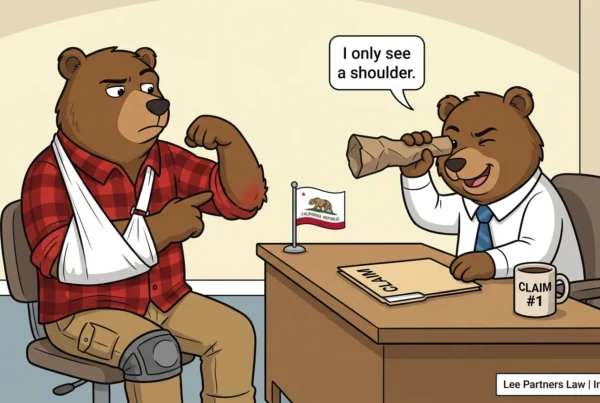
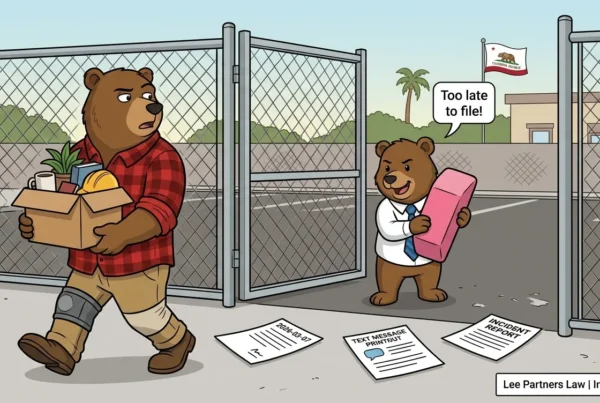
If you work as a grip, electrician, camera operator, or set carpenter, you already know the routine. You’re often the first one on set and the last one to leave. You haul C-stands, rig massive lighting equipment overhead, build temporary structures, and keep production moving during long days that regularly stretch past 12 or 14 hours.
The entertainment industry depends on this workforce. But the physical toll of the job is rarely talked about outside the crew itself.
In Hollywood there is a strong “show must go on” culture. Crew members push through pain and fatigue because productions run on tight schedules. What starts as a small twinge in the shoulder or soreness in your back after a long shoot can slowly turn into a serious injury.
These are not just sore muscles. They are industrial injuries, and under California law they are treated the same way as injuries in construction, manufacturing, or any other physically demanding trade.
Film and television crews are, in many ways, the industrial athletes of Hollywood.
The Jobs That Keep Hollywood Running — And the Injuries That Come With Them
Behind every production is a large workforce performing physically demanding jobs. Many of these roles involve heavy lifting, climbing ladders, carrying equipment, and performing repetitive tasks for years.
Some of the most common positions we see injured in film and television production include the following.
Grips
Grips are responsible for rigging and positioning camera support systems, stands, and lighting equipment. The job requires constant lifting and carrying heavy gear.
Common injuries include:
- Rotator cuff tears
- Shoulder impingement
- Herniated discs in the neck or lower back
- Biceps tendon injuries
- Cumulative trauma to the shoulders and elbows
Years of lifting C-stands, sandbags, and rigging equipment place enormous stress on the shoulders and spine.
Lighting Technicians and Set Electricians
Lighting crews handle heavy fixtures, generators, and large electrical cable runs. The work often involves climbing ladders or lifts and rigging equipment overhead.
Common injuries include:
- Shoulder and upper back injuries from overhead rigging
- Neck strain from repeated overhead work
- Falls from ladders or lifts
- Hand injuries during cable pulls
- Repetitive stress injuries to elbows and wrists
Many electricians develop chronic shoulder or cervical spine problems after years of overhead work.
Set Construction and Scenic Carpenters
Construction crews build and dismantle entire environments on tight timelines. The work resembles commercial construction but is often performed under intense production pressure.
Common injuries include:
- Knee injuries from climbing and kneeling
- Hand injuries from power tools
- Nail gun injuries
- Crush injuries from lumber or rigging equipment
- Lower back injuries from lifting materials
These injuries may happen suddenly or develop gradually through repetitive strain.
Camera Operators and Steadicam Operators
Camera operators frequently carry heavy camera systems while walking, climbing, or holding awkward positions during filming.
Common injuries include:
- Neck strain
- Thoracic spine injuries
- Shoulder damage from stabilizing camera rigs
- Lower back injuries
- Hip and knee strain
Steadicam operators are particularly prone to long-term spinal and shoulder injuries because of the weight of their equipment.
Art Department, Set Decoration, and Costume Crew
Members of the art department move props, wardrobe racks, and set pieces throughout production.
Common injuries include:
- Wrist and hand injuries
- Lower back strain from lifting equipment
- Shoulder injuries from overhead work
- Knee injuries from repetitive bending
Because these injuries often develop slowly, they frequently qualify as cumulative trauma injuries under California workers’ compensation law.
Special Effects, Stunts, and Transportation
Certain departments face unique hazards on set.
Special effects technicians may suffer burn injuries or blast injuries.
Stunt performers can experience fractures, ligament injuries, and spinal trauma.
Transportation crew and drivers often develop neck and back injuries after long hours on the road.
Each of these roles carries risks very different from a typical workplace environment.
The Hidden Risk in Hollywood: Cumulative Trauma
Many entertainment industry injuries do not occur in a single accident.
Instead, they develop over years of repetitive physical stress. Carrying equipment, climbing ladders, working overhead, and lifting heavy objects eventually take a toll on the body.
California law recognizes these injuries as cumulative trauma claims. This means you may still have a valid workers’ compensation case even if there was no single dramatic accident.
Common cumulative trauma injuries among film and television crew members include:
- Rotator cuff tears
- Cervical spine injuries
- Lumbar disc herniations
- Knee degeneration or meniscus tears
- Elbow tendon injuries
- Chronic shoulder instability
Crew members often work through these injuries for years before realizing they have the right to file a claim.
Injured While Filming Out of State? You May Still Have a California Case
This surprises many people in the entertainment industry.
Production frequently moves to other states to take advantage of tax incentives. It is very common for California-based crew members to film in places like Georgia, Louisiana, or New Mexico.
However, if your contract for hire was made in California, you may still have the right to bring your workers’ compensation claim under California law.
That can make a significant difference because California benefits are often stronger than those in many other states.
Many crew members assume that because the injury happened outside California they cannot file here. In many situations, that assumption is wrong.
Why Entertainment Industry Workers’ Comp Cases Are Complicated
Workers’ compensation claims involving film productions are rarely straightforward.
Unlike traditional jobs, productions often involve multiple companies operating at the same time.
It is common to see:
- Loan-out corporations
- Multiple production entities
- Payroll companies
- Separate insurance carriers
- Union benefits through organizations such as IATSE or IBEW
When an injury occurs, insurance companies sometimes try to shift responsibility between these entities.
For crew members who move from show to show, the insurance companies may also argue about which production is responsible for the injury.
Without an attorney familiar with how entertainment industry employment works, navigating these disputes can become extremely difficult.
Why Many Hollywood Crew Members Work With a Los Angeles Workers’ Compensation Specialist
Entertainment industry claims are different from most workplace injuries. They often involve complex employment structures and long-term cumulative trauma injuries.
At Lee Partners Law: Work Injury Attorneys, our practice focuses exclusively on workers’ compensation cases. I am a Certified Specialist in Workers’ Compensation Law, and my partner and I previously spent years representing insurance companies and large employers.
That experience provides insight into how these claims are evaluated from the defense side. We now use that knowledge to advocate for injured workers.
For crew members in Hollywood, Burbank, Los Angeles County, and all of the State of California the goal is simple: make sure every injured body part is properly documented, the medical evidence is fully developed, and the case reflects the real physical impact of the work.
The people who build the sets, rig the lights, and operate the cameras are the backbone of the entertainment industry. When those workers get hurt, they deserve the full protection the law provides.